
Winter Boat Storage Tips

Stephen • October 23, 2024

As winter approaches, prudent boat owners focus on safeguarding their vessels. Winter boat storage, far from a mere chore, protects against the cold and preserves your vessel’s longevity and performance. This essential ritual prevents costly repairs due to freezing temperatures and inactivity.

Proper winter maintenance is economically significant. It maintains the boat’s value and condition, preventing depreciation from neglect. Personally, diligent upkeep means fewer repairs and more time cruising come spring.

Walk-Through and Moisture Check

A walk-through is the first step in winterizing the boat. Inspect compartments, bilges, and hidden areas for damage or wear. Check for cracks, leaks, or weaknesses before storage.

Ensure all spaces are dry to prevent mold and mildew, which damage the interior and electrical systems. Use desiccants and humidity absorbers in enclosed spaces. Ventilate covers and tarps to stop condensation.

For battery maintenance, disconnect and remove the battery. Store in a cool, dry place and make absolutely sure its not in direct sunlight. It’s a good idea to check the battery from time to time to ensure its still in working condition.

Winterization

Winterizing your boat involves steps to protect it during the off-season. Start by draining water from the bilge, water tanks, and plumbing to prevent freezing and cracking. Then, clean the vessel to remove salt, dirt, and grime that can cause corrosion.

Engine and Annual Maintenance

  • Lubrication: Lubricate all moving parts, including hinges, latches, and steering systems.
  • Belts: Inspect and, if storing long-term, loosen or remove all belts to prevent stress and cracks.
  • Exhaust Ports: Pests can get inside your boat through exhaust ports – so cover them up!
  • Battery Care: Remove the battery, clean the terminals, and store it in a cool, dry place.

Fuel System Maintenance

  • It’s always best to keep your fuel tank full. This prevents many issues, including moisture, rust, and contamination. You can also add a fuel stabilizer to prevent gum and varnish deposits.

Covering the Boat

Types of Covers:

  • Custom-Fit Covers: Tailored for your boat, these fit snugly, reducing water pooling and moisture exposure.
  • Universal Covers: These are more cost-effective and fit various boat sizes but may lack precision.
  • Tarpaulins: Heavy-duty tarps offer temporary protection. Secure them to prevent water accumulation and damage.

Securing the Cover:

  • Support System: Use poles or a frame to keep the cover taut, preventing water accumulation and maintaining airflow.
  • Straps and Ties: Secure the cover with straps and ties, balancing security and flexibility against wind.
  • Reinforcements: Pad or tape areas where the cover meets sharp edges to prevent tearing.

Choosing a Storage Facility

Criteria for Selection:

  • Security: Choose a facility with security measures like gated access, cameras, personnel, and lighting.
  • Location: Select a facility near home or water to reduce transport time and costs. A drier climate is better for storage.
  • Cost: Storage costs vary by space and amenities. Compare prices and consider services like climate control.
  • Accessibility: Assess how easily and often you can access your boat. Ensure access hours meet your needs.

Specialized storage ensures professional care, extending your boat’s lifespan and enhancing your boating experience.

Recap

  • Inspection and Moisture Check: Walk through to find issues and ensure the compartments are dry.
  • Winterization: Drain and clean the boat; lubricate the engine, loosen belts, seal exhaust ports, and maintain the battery and fuel system.
  • Covering the Boat: Securely fit a cover to protect against damage.
  • Storage Facility: Choose a facility specializing in boat storage with security, location, cost, and access in mind.

These steps extend your boat’s life and functionality. Proper storage prevents damage and ensures readiness for the next season. The effort is minimal compared to repair costs, making preparation and storage-wise choices for every boat owner.

Orange square with white text:
By clayton May 6, 2025
So you’ve rented a storage unit. Congrats! You now own a glorified closet that comes with four walls, a rolling door, and the power to make or break your sanity. Whether you’re a first-timer or a seasoned organizer, it helps to follow best practices recommended by industry leaders like the Self Storage Association, the national […]
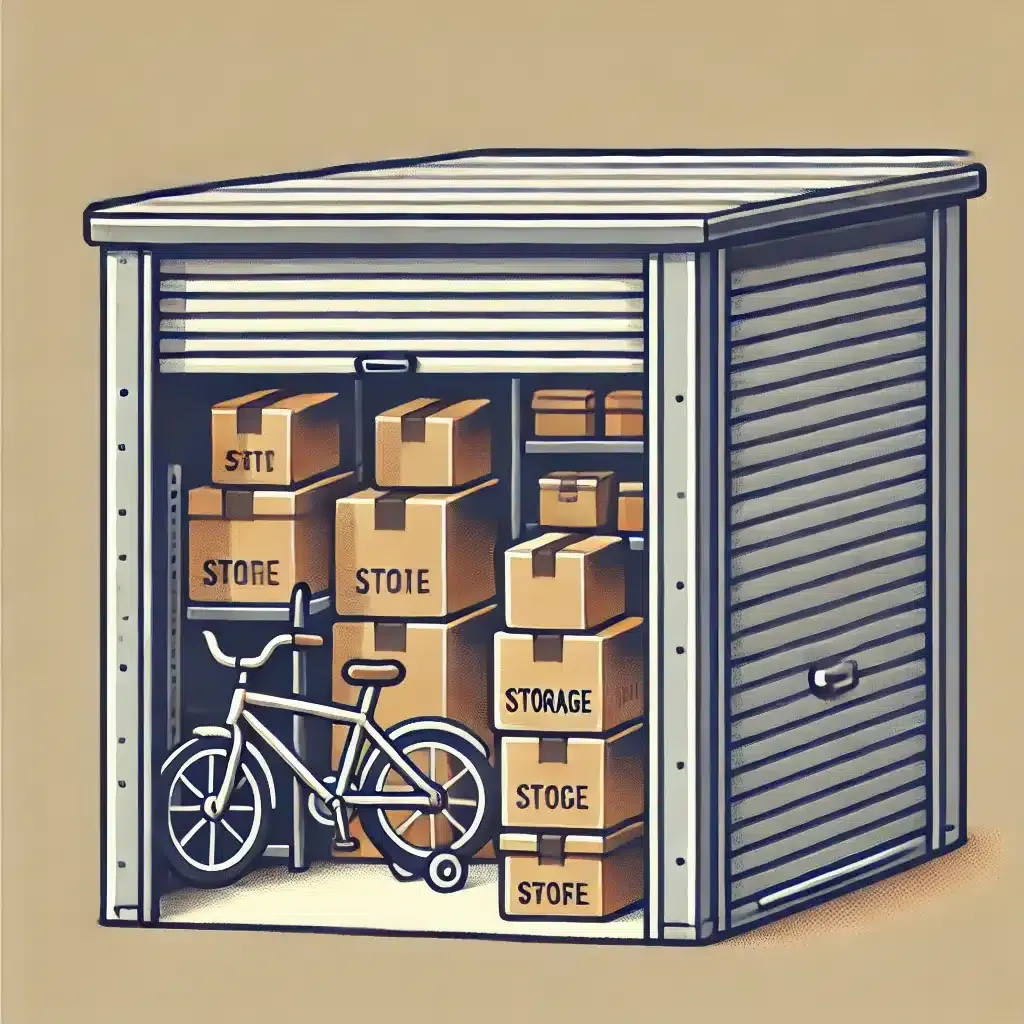
Storage unit packed with boxes and a bicycle.
By Stephen March 20, 2025
#1: Perishable Goods Storage units are designed to safeguard belongings, not to preserve food. Yet some renters mistakenly use them as overflow pantries, stowing everything from canned goods to dry staples. This is an error. Even non-perishable foods can degrade in fluctuating temperatures, while perishables—whether fresh, frozen, or packaged—risk attracting pests. Rodents, insects, and mold […]

Storage unit filled with cardboard boxes, shelves, chair, and sunlight.
By Stephen October 15, 2024
Imagine a storage unit that is so organized that retrieving camping gear or holiday decor involves no digging through boxes. That’s the magic of maximizing your storage space! Assessing Your Self Storage Needs The first step is identifying essential storage items. Decide what stays and what goes. We often keep items more out of habit […]
Show More